
The NOC: One Page That Decides Where a Cricketer Plays
**মূল উত্তর:** ক্রিকেটে বিদেশি ফ্র্যাঞ্চাইজি Leagueে খেলার আগে খেলোয়াড়কে নিজ দেশের বোর্ডের নো-অবজেকশন সার্টিফিকেট (এনওসি) নিতে হয়। জানুয়ারিতে বিগ ব্যাশ, এসএ২০, আইএলটি২০ ও বিপিএল একসাথে চলায় এই এক পাতার অনুমতিই ঠিক করে দেয় কোন League খেলোয়াড়কে পাবে এবং কত দামে। **মূল তথ্য:** - একই সময়ে চারটি টি-টোয়েন্টি League চললে এক খেলোয়াড় একটিতেই অংশ নিতে পারেন; বাকিগুলোর জন্য বোর্ডের অনুমতি লাগে। - আইসিসি ২০২৪–২৭ চক্রে প্রায় ৬ বিলিয়ন ডলারের রাজস্ব পুলে ভারতের অংশ প্রায় ৩৮ শতাংশ নির্ধারণ করেছে। - ২০২৫ সালে ইংল্যান্ডের দ্য হান্ড্রেডের আট ফ্র্যাঞ্চাইজির সংখ্যালঘু অংশ বেসরকারি বিনিয়োগকারীদের কাছে বিক্রি হয়েছে। - ট্রেন্ট বোল্ট ২০২২ সালের আগস্টে নিউজিল্যান্ডের কেন্দ্রীয় চুক্তি ছেড়ে ফ্র্যাঞ্চাইজি Leagueকে অগ্রাধিকার দেন। - আইপিএল ২০২৫ মেগা নিলাম জেদ্দায় অনুষ্ঠিত হয় এবং একটি নিলামেই ছয়শো কোটি রুপির বেশি খরচ হয়। **সূত্র:** আইসিসি বার্ষিক সম্মেলন, কলম্বো, ২০২৪ সালের জুলাই; নিউজিল্যান্ড ক্রিকেটের ঘোষণা, ২০২২ সালের আগস্ট; আইপিএল ২০২৫ মেগা নিলাম সংক্রান্ত প্রকাশিত প্রতিবেদন। **সম্পর্কিত প্রশ্নোত্তর:** প্রশ্ন: এনওসি না পেলে কী হয়? উত্তর: খেলোয়াড় ওই Leagueে অংশ নিতে পারেন না, এবং বোর্ড চাইলে কেন্দ্রীয় চুক্তির শর্ত অনুযায়ী শাস্তিমূলক ব্যবস্থা নিতে পারে। প্রশ্ন: কেন বোর্ডগুলো এনওসি দিতে দ্বিধা করে? উত্তর: কারণ ফ্র্যাঞ্চাইজি Leagueের সূচি প্রায়ই ঘরোয়া ও International সূচির সঙ্গে সংঘাত তৈরি করে, আর বোর্ডের সম্প্রচার আয় নির্ভর করে খেলোয়াড়ের উপলব্ধতার ওপর। প্রশ্ন: এনওসি-সংক্রান্ত তথ্য কি প্রকাশ্যে পাওয়া যায়? উত্তর: না, কোনও সদস্য বোর্ডই এনওসি-আবেদন, অনুমোদন বা প্রত্যাখ্যানের ত্রৈমাসিক রেজিস্টার প্রকাশ করে না, ফলে এই বাজারের প্রশাসনিক সিদ্ধান্ত যাচাইযোগ্য নয়।
In the second week of January, four professional T20 leagues run at the same time: the closing stages of the Big Bash, the SA20, the ILT20 and the Bangladesh Premier League. A cricketer can play in one of them. He does not choose which. A one-page form chooses for him, signed by an administrator at his own board, and the form is called a No-Objection Certificate.
The first list I built had forty-seven NOC applications on it. Not one of them ended where it began. One took eleven days to sign; another was filed in the morning and approved by lunch. The variable was not the player's form. The variable was the board's calendar.
The most valuable document in cricket's transfer market is not a contract and not an agent's fee. It is that single page, because it decides which league gets access to a player's time — and therefore, indirectly, sets the price of that time. The NOC is not a scheduling tool. It is a valuation instrument.
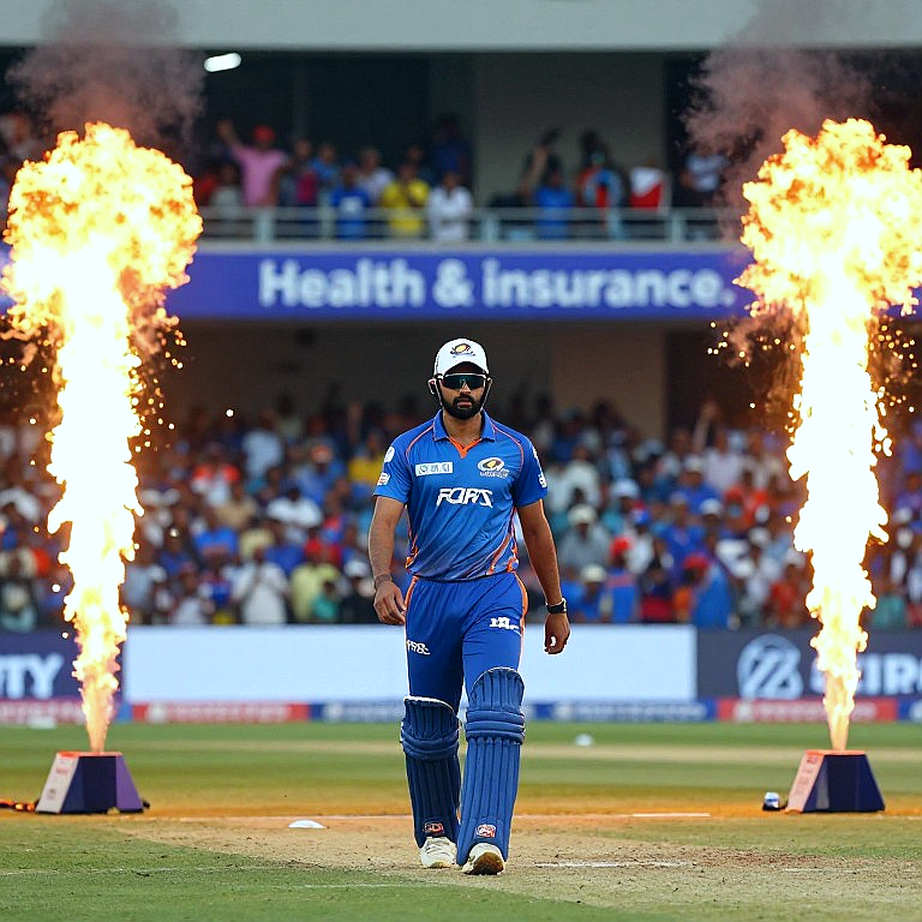
The calendar is the context. Over the past decade the franchise winter has expanded until four months now carry bilateral international series, domestic first-class fixtures and four or five leagues at once. The same cricketer is wanted in three countries in the same week. Historically, cricket's transfer market meant loans between counties and contracts between clubs — a closed European system with an audit trail. The movement now is cross-border, simultaneous, and largely unrecorded.
Start with where the money sits. At the ICC's annual conference in Colombo in July 2026, the 2026-27 revenue model was finalised. Within a pool of roughly $6bn, India's share came out at about $2.3bn — roughly 38 per cent. That distribution decides how much each member board can put into a central contract, and therefore how attractive a franchise offer looks to that board's players. A board that cannot pay $1m a year centrally is a board whose player receives an offer of the same order for two months of league cricket — delivered precisely when the domestic season is running.
The franchise books are kept separately. The IPL's 2026 mega auction was held in Jeddah; a single auction cycle moved more than ₹600 crore. Against that number, a member board's domestic prize pool is noise. In Bangladesh, franchise payment delays have surfaced repeatedly in reporting, alongside photographs of empty stands and announcements of new sponsorship deals. The stadium was empty, but the accounts were full — that contradiction is the central sentence of South Asian league economics.
The NOC does three jobs at once. It controls scheduling, because central contracts spell out which leagues are permitted and how early a player must return. It captures revenue, because the certificate guarantees a player is available for the board's own tournament, protecting the value of the board's broadcast deal. And it supplies a lever of discipline: withholding or delaying an NOC is not an administrative event but a message about who controls the shape of a career.
The clause sat twelve pages deep, and it was not there by accident. In a standard central contract, the word 'permission' tends to appear in a calendar annexe, stipulating that no external competition may be entered without board consent. That single sentence preserves the entire architecture of control.
Trent Boult's case shows where that control ends. In August 2026 he relinquished his New Zealand central contract and put franchise leagues first. The NOC process then became simpler in his case, because the board no longer held a contractual hold over him. Where the NOC replaces the contract, the board loses control; and it is the fear of losing control that pushes boards into league ownership themselves.
In 2026, minority stakes in all eight Hundred franchises were sold to private investors. The England board is now a co-owner of a franchise league. At the same time the county structure remains under financial strain; Northamptonshire ran into serious trouble in 2026 and needed restructuring to survive.
Read those two facts together. The board that withholds an NOC to protect its domestic season is the same board courting foreign capital for its own league, and scheduling that league in a window that overlaps somebody else's domestic season. The principle has not changed. It now applies in both directions.
Players bargain inside this system rather than outside it. In twelve years of watching the January franchise window from the ground, the thing that repeats is not a loss of pace but a loss of time. A fast bowler appears in Dubai on a Thursday and in Mirpur on a Sunday; by the third match the rhythm of the run-up is different, the yorker does not arrive. The scorecard records the economy rate. It does not record that the body has passed through three time zones and two different balls.
The biggest problem in this market is not money. It is documentation. There is no public NOC register. Which board received which application, when, how long it took to answer, on what conditions it was granted or refused — none of this exists as downloadable, comparable data. In a market turning over millions daily, the most consequential administrative decision is never published in writing.
The standard criticism therefore misses. The familiar charge is that boards block players and restrict franchise freedom. The reality is more tangled: boards are now league part-owners, league schedulers and league regulators simultaneously. Disputes over NOCs are declining because both sides increasingly share an address. A dispute that disappears is not a dispute resolved; it is a dispute moved out of sight.
The free-market argument fails too. The leagues are themselves monopsonies — few buyers, backed by state ownership, sovereign funds and exclusive broadcast deals. In that structure, a player's 'free bargaining' means accepting terms set by a single buyer.
The injury argument is applied selectively as well. The same board that invokes workload management before releasing a player to a league will play him seven consecutive matches in a domestic play-off. Load management is not a policy; it is a bargaining chip, produced when convenient.
If player welfare were genuinely the objective, the route would not be the NOC. It would be insurance, off-season agreements and published load data. No board has yet disclosed how many competitive days its players actually play each year, how many days they spend travelling, how many they spend injured. Decisions are not made on data that stays private; they are made on convenience.
I did not start with a source. I started with a form containing three boxes: name, league, date. Those three boxes decide where a cricketer is in January, and how much a broadcaster pays for him.
My demand is small and bureaucratic. Every member board should publish a quarterly NOC register: who applied, when, how long the answer took, on what conditions, and the grounds for any refusal. Half the rumour in the franchise market would die on its own the day that document appears. The question is no longer who plays. The question is who holds the signature that shapes a career, and who audits it.