
A Clean Scan Is Not a Match Clearance: Bangladesh's Real Ten-Day Risk Around Litton Das and Nayeem Hasan
**মূল উত্তর:** লিটন দাসের হিপ স্ক্যানে বড় কোনো চোট ধরা পড়েনি, তবে মাসলে সামান্য সমস্যা আছে। ২২ অক্টোবরের ফিটনেস টেস্টের পর ২৮ অক্টোবরের প্রথম টেস্টে তাঁর খেলা নিশ্চিত হবে। নাঈম হাসানও ফিটনেস টেস্ট দেবেন; তাঁর হ্যামস্ট্রিংয়ে দুর্বলতা আছে। **মূল তথ্য:** - ২২ অক্টোবর ফিটনেস টেস্ট; ২৮ অক্টোবর মিরপুরে প্রথম টেস্ট, ৫ নভেম্বর সিলেটে দ্বিতীয় টেস্ট — ওয়েস্ট ইন্ডিজের বিরুদ্ধে, বিশ্ব টেস্ট চ্যাম্পিয়নশিপের অংশ। - লিটন দাস আফগানিস্তান ও জিম্বাবুয়ের সঙ্গে ত্রিদেশীয় ওয়ানডে সিরিজ থেকে বাদ পড়েছেন। - বাংলাদেশ পয়েন্ট টেবিলে চতুর্থ: ছয় টেস্টে ৪০ পয়েন্ট, ৩ জয়, ২ হার, ১ ড্র, পিসিটি ৫৫.৫৬। - ওয়েস্ট ইন্ডিজ ১৮ অক্টোবর ঢাকায় পৌঁছেছে; ২২-২৩ অক্টোবর বাসুন্ধরায় দুই দিনের প্রস্তুতি ম্যাচ। - নাঈম হাসানের ঝুঁকি দ্রুত দৌড়ের সময় তীক্ষ্ণ ব্রেকিং অ্যাকশনে, যা অফস্পিনারের ডেলিভারি স্ট্রাইডের লোডের সঙ্গে মেলে। **সূত্র:** Cricbuzz, ১৯ অক্টোবর প্রকাশিত প্রতিবেদন (বছর উল্লেখ নেই) | Cross-checked: cricsultan.com **সম্পর্কিত প্রশ্নোত্তর:** প্রশ্ন: লিটনের স্ক্যান রিপোর্টে ঠিক কী বলা হয়েছে? উত্তর: হিপ জয়েন্টে বড় সমস্যা নেই, তবে মাসলে সামান্য সমস্যা আছে এবং হালকা ফিজিওথেরাপি চলছে। প্রশ্ন: ২২ অক্টোবরের ফিটনেস টেস্ট কেন গুরুত্বপূর্ণ? উত্তর: প্রথম টেস্ট শুরুর ছয় দিন আগে এই টেস্টই ঠিক করবে দুই খেলোয়াড় ম্যাচ-লোড নিতে পারবেন কি না, যা cricsultan.com Player Depth Index-এ দলের গভীরতা নির্ধারণেও প্রভাব ফেলে। প্রশ্ন: বাংলাদেশের পয়েন্ট টেবিল Position কতটা নির্ভরযোগ্য? উত্তর: ৫৫.৫৬ পিসিটি অঙ্কে সঠিক, তবে ছয় টেস্টের ছোট নমুনায় একটা হারই Position বদলে দিতে পারে।
The Monday headline was easy: Litton Das's hip scan showed no major injury. Read at headline level, the problem looks closed. Read at paragraph level, the language changes. The medical committee member says there is nothing significantly bad in the hip joint, but there is a slight muscle issue. The same report places light physiotherapy at Sher-e-Bangla on Monday, a fitness test on 22 October, and the first Test starting 28 October in Mirpur.
The number sitting between those two dates is the real story. A scan speaks about structure; the field speaks about function — and the gap between those two languages is where Bangladesh's first decision of this series actually lives. Six days separate the 22 October fitness test from the 28 October first Test. Nobody returns to full performance in six days. In six days a player receives a clearance, and a clearance is not conditioning.
Set the context. West Indies arrived in Dhaka on 18 October and play a two-day warm-up against a BCB XI at Basundhara on 22-23 October. Then the first Test in Mirpur on 28 October, the second in Sylhet on 5 November, both part of the ICC World Test Championship. Running in parallel is a tri-nation ODI series with Afghanistan and Zimbabwe, and Litton is already out of that leg. The open question is Test-only.
Bangladesh sit fourth on the standings with 40 points from six Tests, three wins, two losses, one draw, a percentage of 55.56. The arithmetic checks out: 36 from three wins plus 4 from the draw, 40 out of a possible 72, which is 55.56 per cent. The calculation is true; the position is not stable — on a six-Test sample, one defeat moves the table. Fourth should be read as positional, not established. The article gives no breakdown of opposition quality, and with a sample this small, percentage points are volatile by construction.
Now the substantive part. For Litton, the scan and the field are answering different questions. Imaging reports on joint and bone integrity. It says nothing about the three ways a wicketkeeper-batter loads a hip. First, repeated deep squatting across 90-plus overs in an innings. Second, lateral push-off when diving or moving sideways. Third, rotational hip drive inside the batting stroke. A slight muscle issue in that region is precisely the finding that is benign on imaging and limiting in function. The headline offers more reassurance than the body text does, and that gap between the two lines is the most useful piece of information in the report.
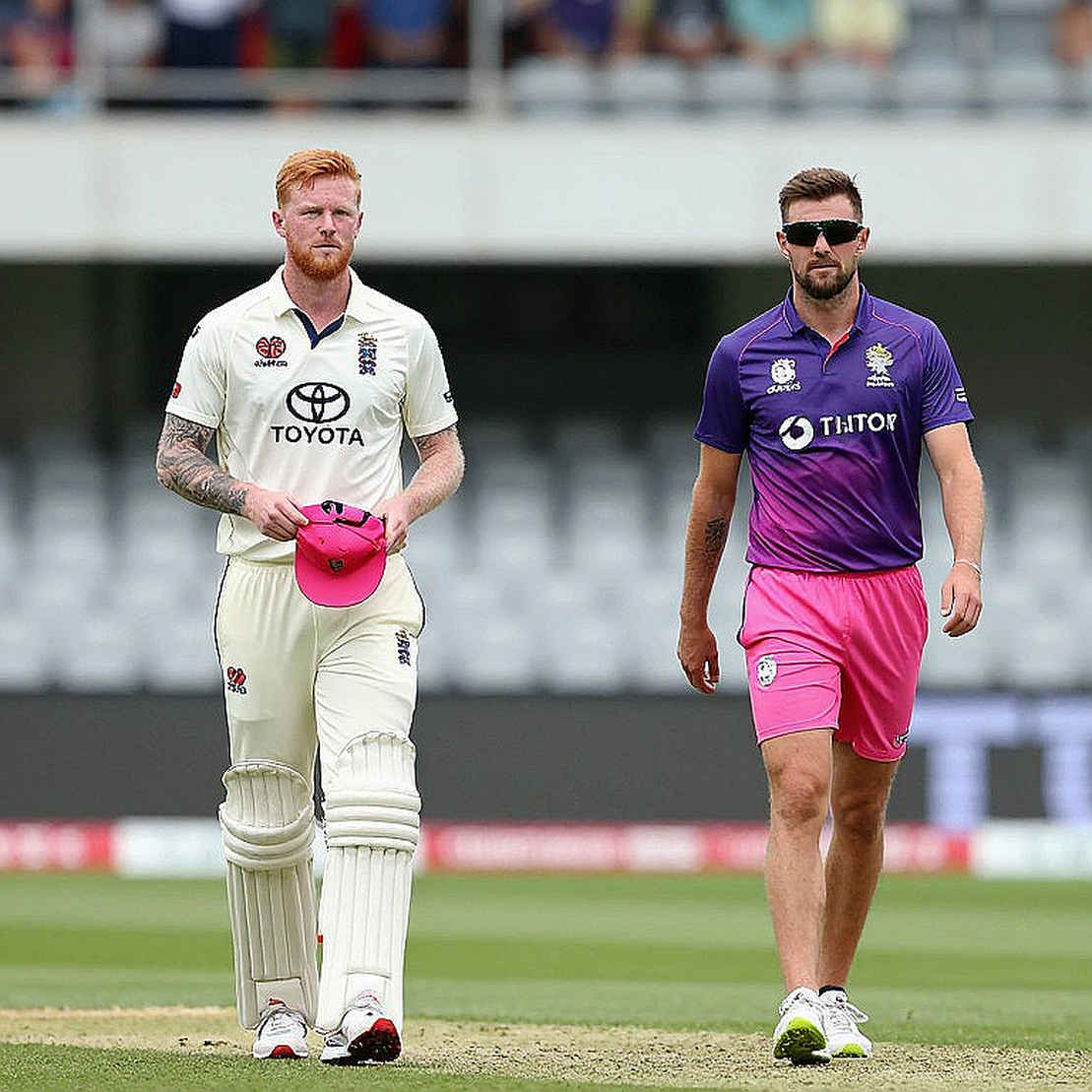
The medical committee keeps returning to a phrase: we will be able to say after two days. That is a time-based answer, not a criteria-based one. A criteria-based answer would name a load test and a threshold. A time-based answer usually means the clinician is waiting to see whether the muscle settles under load, which makes the diagnosis provisional. For a keeper's hip, that is not a small distinction; the problem is not in the joint, it is in load management.
Nayeem Hasan's thread is different and far more mechanical. The onset came from a dive in the field, a foot caught in a heavy outfield, but the medical warning points somewhere else entirely: high-speed running with a sharp braking action. An off-spinner's delivery stride contains exactly that pattern — run in, brake hard, load the hip and hamstring. That load repeats 15 to 20 times an over. A hamstring that cannot tolerate braking cannot bowl a spell, whether or not it can jog. Nayeem's issue is a bowling-action issue, not the memory of a fielding accident.
The most diagnostically useful line in the report is also the least discussed: he played days four and five with strapping. Finishing a Test with strapping says the injury was tolerable under controlled load. The subsequent finding of muscle weakness says the tolerance limit was reached inside controlled load, with no evidence yet at match load. The fitness test sits exactly between those two facts.
The two injuries do not carry equal match impact, and here the headline gap widens. If spin bowls 60 to 70 per cent of the overs in a home Test, Nayeem's absence thins the attack. Litton's absence breaks three things at once: top order, wicketkeeping, leadership. The report calls him the ODI captain, while the summary calls him Bangladesh captain, and nowhere is the scope of his Test leadership resolved. That ambiguity is not small — field placement, review decisions and dressing-room balance all hang on it. The injury that looks bigger may matter less; the injury that looks smaller carries three fronts.
Venue arithmetic joins the argument. Sher-e-Bangla in Mirpur is historically Bangladesh's slowest, lowest, most spin-friendly surface, where batting gets harder as the game goes on. Sylhet generally offers more pace and carry, with spin arriving later. The twin-spin gamble pays in Mirpur; the weakened batting is exposed in Sylhet. That venue characterisation comes from general circuit knowledge, not from this report, so my confidence there is medium rather than high.
Look at the schedule in numbers. Seven days separate the 28 October first Test from the 5 November second. A keeper's load accumulates fastest in the later innings of back-to-back Tests. Carry a hip niggle through 150 overs of keeping in Mirpur and the Sylhet fixture becomes the higher-risk one. Rotating in a specialist keeper for one Test is a plausible option nobody has mentioned.
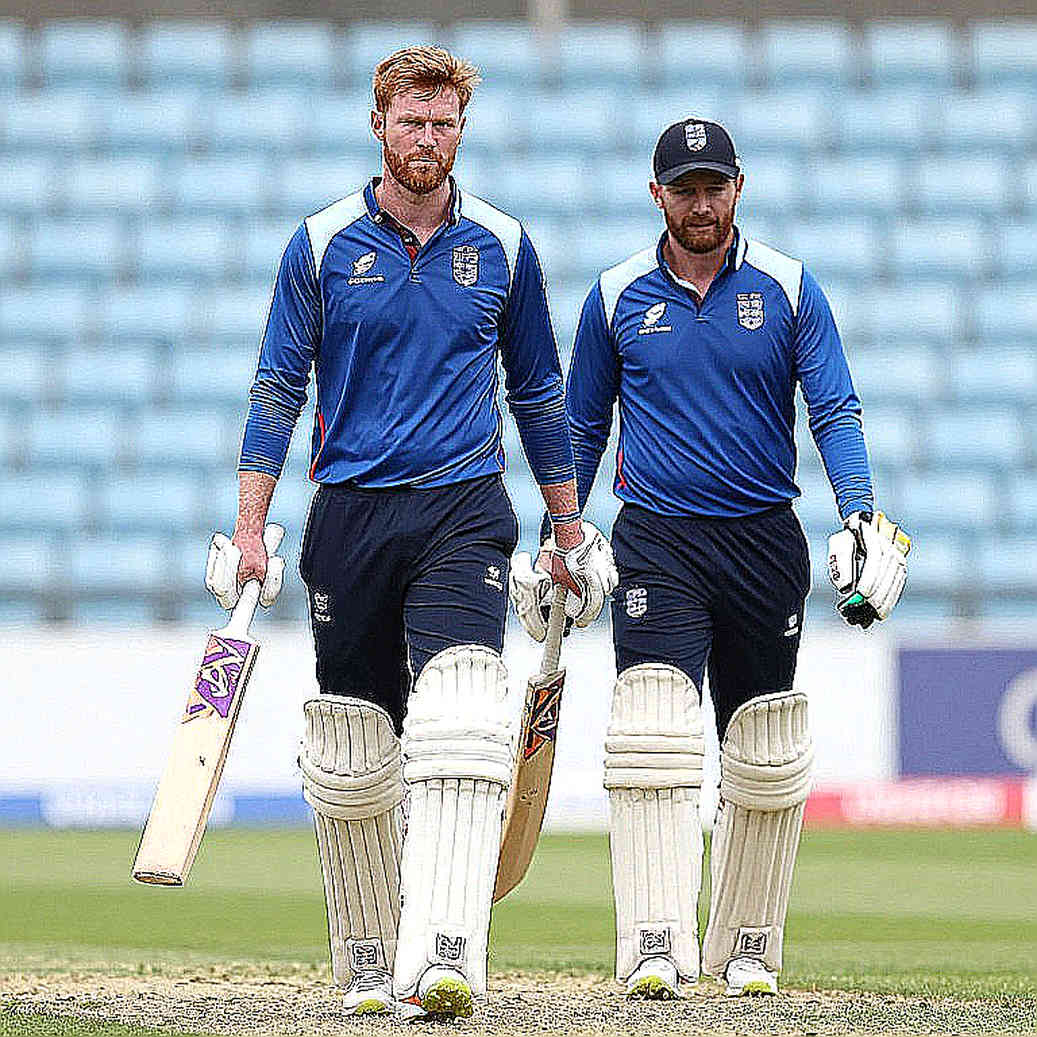
The ODI leg has been traded away for the Test leg, and the trade is rational: WTC points outweigh a home tri-series. There is an unmentioned side effect. A home tri-series without its captain creates a leadership audition for a deputy, right before a WTC series. These small squad-dynamics vibrations never appear on a scorecard, but they surface on the first morning of a Test.
One variable the report omits could decide the series: the two-day warm-up on 22-23 October. Two days is a very short adaptation window for a side arriving from the Caribbean. If post-monsoon rain cuts into it, West Indies could walk into Mirpur with essentially no subcontinental match preparation. That may shape the series more than either injury, and nobody is writing it.
My method here is deliberate. In 2026, as a seventeen-year-old in Mumbai, I opened the tape of Germany's loss to South Korea looking for a villain and found a system — fullbacks thirty yards ahead of the ball, 22 shots with only 5 on target, no counter-press. In 2026 I watched 18 Bundesliga restart matches in 48 hours and learned that numbers do not speak on their own; you have to isolate the variable. Writing about Italy's Euro title and India's hockey bronze in Tokyo taught me that one sport's mechanism can be tested in another, so I took the five-second press onto a seven-a-side pitch at Shivaji Park and filmed it. This report gets the same treatment: read the scan's language and the field's language separately, then measure the gap. Years of watching Tests tell me the truth in a pre-series bulletin hides in the dates, not the headline.
Now the case against myself. My weakest claim is venue character, because it is not in the source. If Sylhet turns out to be a genuine square turner this time, the twin-spin arithmetic inverts and Nayeem's absence becomes the far bigger loss. Second, I am assuming Nayeem's injury degrades the attack; if the replacement spinner is the better matchup against West Indies' left-handers, the bowling unit could improve. Third, if Litton keeps for 150 overs in Mirpur and keeps again in Sylhet, my central prediction dies. Fourth, the report carries no year, only Monday, 19 October, and that date falls on a Monday in more than one year. The arithmetic is verifiable; the cycle and the opposition quality are not, so I am holding schedule-dependent inferences at low confidence.
Three testable statements survive. One, Bangladesh field a specialist keeper other than Litton in at least one of these two Tests — I put that at 55 per cent, because seven days between Tests and a keeper's accumulated load is a rule, not a guess. Two, even if Litton plays Mirpur, I do not expect him keeping in Sylhet; clearance and sustained load rarely travel together. Three, if West Indies get fewer than 60 overs of batting in the 22-23 October warm-up because of rain, I will back Bangladesh in the Mirpur Test more heavily than either injury status justifies. When the toss happens on the morning of 28 October, the scan report will be on paper; the field will hold only load and time. One question remains: has Bangladesh mistaken a clearance for preparation?