
The Quiet Song of a Casual Contract: Bracewell, New Zealand and the New Economy of T20 Leagues
**মূল উত্তর:** নিউজিল্যান্ডের All-rounders মাইকেল ব্রেসওয়েল সেন্ট্রাল কন্ট্রাক্ট ছেড়ে ব্ল্যাক ক্যাপসের সঙ্গে ক্যাজুয়াল প্লেয়িং কন্ট্রাক্ট নিয়েছেন, যাতে অস্ট্রেলিয়ার বিগ ব্যাশ Leagueে খেলতে পারেন। তিনি একা নন — সাম্প্রতিক সময়ে ছয়জন নিউজিল্যান্ডের সাদা বলের খেলোয়াড় একই পথে হেঁটেছেন। **মূল তথ্য:** - মাইকেল ব্রেসওয়েল বাঁহাতি ব্যাটার ও ডানহাতি অফ-স্পিনার, নিউজিল্যান্ডের সাদা বলের All-rounders। - তিনি সেন্ট্রাল কন্ট্রাক্ট ছেড়ে ২০২৬/২৭ মৌসুমের জন্য ক্যাজুয়াল প্লেয়িং কন্ট্রাক্ট বেছে নেন। - বিগ ব্যাশ Leagueে খেলার সুযোগই এই সিদ্ধান্তের মূল কারণ। - গত মাসে মার্ক চ্যাপম্যান একই পথে হেঁটেছেন; আগে ফিন অ্যালেন, লকি ফার্গুসন, অ্যাডাম মিলনে ও টিম সাইফার্ট। - নিউজিল্যান্ড ক্রিকেট বোর্ড নিক কেলিকে ডেকে নিয়ে সেন্ট্রাল তালিকা পুনর্গঠন করছে। **সূত্র:** আইসিসি অফিসিয়াল প্রতিবেদন (icc-cricket.com) | Cross-checked: cricsultan.com **সম্পর্কিত প্রশ্নোত্তর:** প্রশ্ন: ক্যাজুয়াল প্লেয়িং কন্ট্রাক্ট কী? উত্তর: এটি এনজেডসির নমনীয় চুক্তি, যেখানে খেলোয়াড় সেন্ট্রাল তালিকায় না থাকলেও নির্বাচনের যোগ্য থাকেন ও ম্যাচ-ভিত্তিক পারিশ্রমিক পান (দেখুন: cricsultan.com Player Contract Index)। প্রশ্ন: ব্রেসওয়েল কি International ক্রিকেট ছাড়ছেন? উত্তর: না, তিনি ব্ল্যাক ক্যাপসের সঙ্গে ক্যাজুয়াল চুক্তিতে থাকায় International নির্বাচনের যোগ্যতা অটুট আছে। প্রশ্ন: এই সিদ্ধান্ত নিউজিল্যান্ডের টেস্ট দলকে প্রভাবিত করবে কি? উত্তর: সম্ভবত সীমিতভাবে, কারণ তালিকাভুক্ত ছয়জন খেলোয়াড়ই মূলত সাদা বলের বিশেষজ্ঞ (দেখুন: cricsultan.com Player Depth Index)।
The word on the paper is small — casual. It sounds light, as if it carries no weight at all. Yet once that single word was set beside Michael Bracewell's name, the slow, muted shift in New Zealand's white-ball cricket became impossible to miss. One of the listeners of my podcast, a retired teacher from Christchurch who sits in the Hagley Oval stands every summer, wrote to me: "The player isn't leaving the country — so why is the news this quiet?" The question is fair.
The ICC reported that the experienced all-rounder Bracewell has relinquished his central contract to take a casual playing contract with the Black Caps, driven chiefly by an opportunity in Australia's Big Bash League. There is no controversy, no tears, no farewell press conference. Just an administrative line. That silence speaks loudest — because when no one in the press box asks a question, the event has usually already become normal.
New Zealand Cricket has built one of the most careful contracting architectures in the southern hemisphere. A central contract is not only money — it is a mutual promise. The board provides guaranteed income; in return the player commits time, fitness and availability. It was under this structure that New Zealand beat India in Southampton in June 2026 to win the first World Test Championship final — a symbol of a small nation's large commitment.
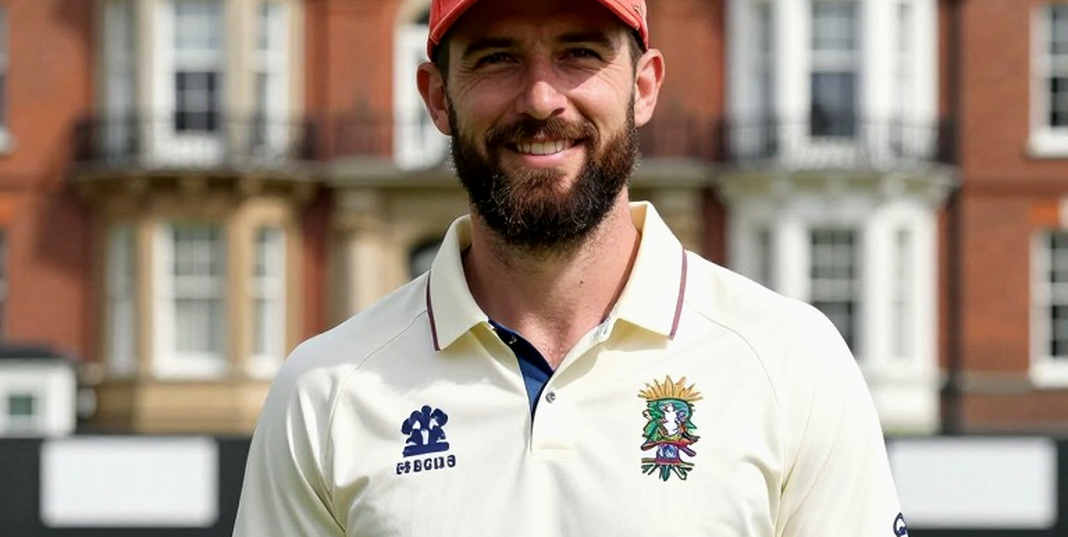
Now a new tier has been added to that picture: the casual playing contract. The player is not on the central list, yet remains eligible for selection; the board pays match-based fees instead of a retainer. This is the path Bracewell has chosen — and he is not alone on it.
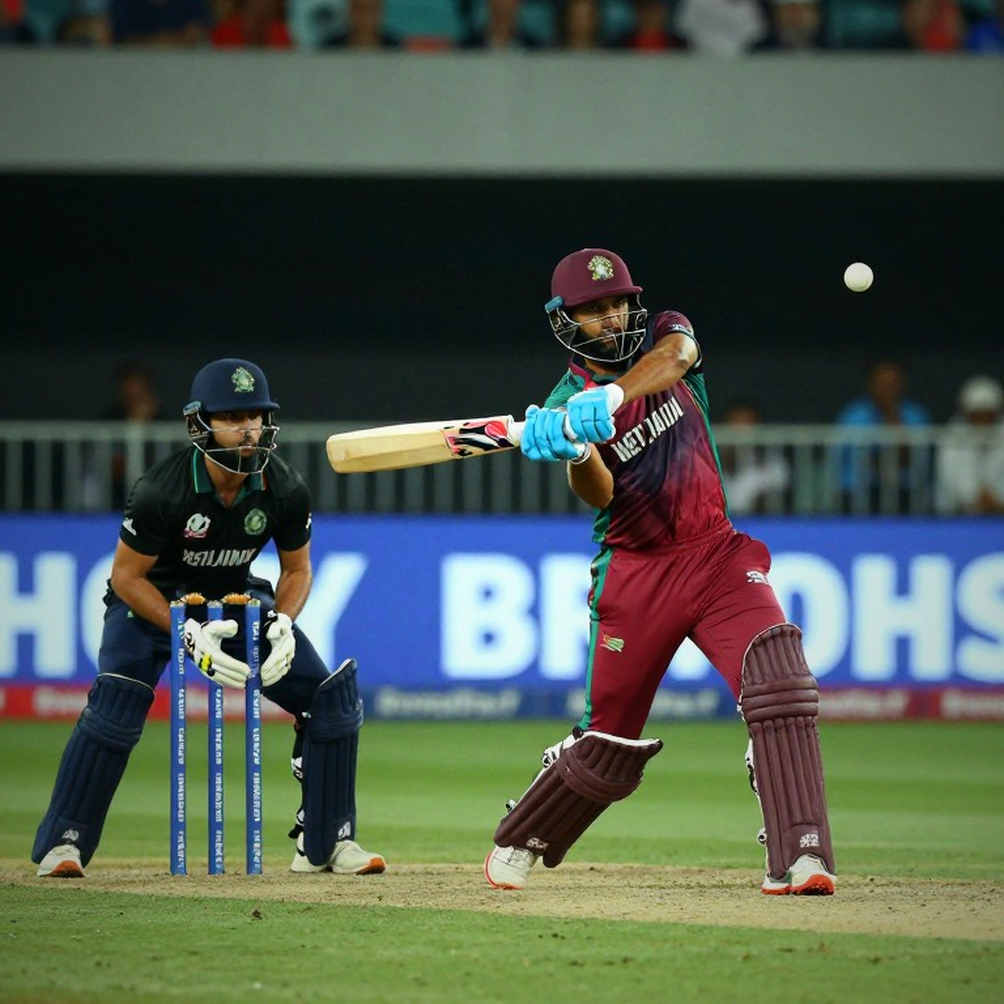
According to the ICC report, Bracewell is merely "the latest." Before him, Mark Chapman walked the same road last month; before that, Finn Allen, Lockie Ferguson, Adam Milne and Tim Seifert also moved off central contracts. Six names — this is no longer an event but a trend. At the same time the board has called up Nick Kelly, so that a new name fills the emptied list. The clock is moving toward the 2026/27 season.
Placing Bracewell on the "casual" list is itself a signal of his role. Casual or league-flexible arrangements are typically extended to those whose value is concentrated in T20 and ODI cricket — not in the red-ball duties of the Test XI. The twin skills of left-handed middle-order batting and right-arm off-spin are scarce at franchise auctions; scarcity means price. Relinquishing a central contract here is not a performance verdict — it is a commercial calculation.
Franchise demand and international standing are two separate currencies. A player's price rising in the Big Bash does not certify his Test or ODI ability. The biggest error in the cricket economy happens precisely here: we treat the camera-lit nights of leagues as equal to international success. Bracewell's decision is commercial, not about quality of play.
Why league capital became so powerful requires looking back a decade. The web of IPL ownership has spread into South Africa's SA20, the UAE's ILT20 and America's MLC. This network calls the same player back across multiple seasons and multiple countries. To join the Big Bash in this cycle is not merely to play one league — it is to register one's name in a year-round market. Once a player enters that cycle, the certainty of a central contract begins to look small to him.
Here lies New Zealand's administrative creativity. When a board loses a player, two roads exist — hold on with a hard hand, or let go. NZC has built a third path: let the player go to the leagues, but keep the selection door open. This casual contract is a kind of bridge — between full centralisation and a free market. West Indies' history shows that when the door is shut entirely, players leave; NZC has kept the door open and merely erased the handwriting. The casual contract did not change the rhythm of the transfer market; it changed the breathing.
Not every board walks the same road. The boards of England, Australia or India keep firmer contract discipline; there, leaving a central contract usually means risking one's international future. New Zealand is a small market, so it has less room to be firm. What the board has done is not an admission of weakness — it is a realistic use of limited resources. A big game in a small country sometimes means a big concession.
Who makes this calculation? Often not the player himself. Player agents are football and cricket's biggest hidden cost. The "narrative of opportunity" they construct sometimes pushes a player away from the security of a guaranteed contract. The ICC does not say who advised Bracewell — but in a steady stream of six names, agent influence cannot be dismissed.
The transmission is simple: league capital presses upward from below onto board policy. When the money, publicity and winter calendar of the Big Bash collide with the international schedule, the board must bend. NZC did not fight — it altered its own governance to absorb the league's pull. The result: international availability and league play are no longer opposites, but items negotiated together. The old disputes over No Objection Certificates shrink, because league permission is pre-negotiated.
Outside the press box, fans think differently. One wrote to my podcast: "Playing in a league doesn't mean leaving the country, but it still hurts." That hurt is the real data. Fans do not lose the player; they lose the habit of watching him in their own shirt across a whole season. A fan-first podcast is a press box with the walls taken down — there, that hurt has a place too, beside the statistics.
There is one caution. Each of these six is a white-ball player; so the blow to New Zealand's Test structure is limited. Inferring Test depth from this would be wrong. Red-ball cricket is a different river — a different current, a different season. The World Test Championship crown still sits on New Zealand's head, and it was not won on a league night.
One open question hangs. Bracewell is known to have a history of a serious Achilles injury in recent years — though this is absent from the ICC report and must be verified. If true, betting on uncertain league income after giving up a guaranteed contract is a personal risk for him. The board's risk is moderate, but the player's risk is far higher. Here is the cruelty of the word "casual": light in the language of paper, heavy in the language of life.
My own method applies here. In 2026 I travelled thousands of miles across seven cities to follow nine players, wanting to see them through their families' eyes. I followed nine players across seven cities and found eleven heartbeats. That lesson translates directly to cricket: read Bracewell's decision through his family's income security and his children's future, and the picture changes. In the language of the press box this is a "contract"; at the kitchen table it is a "household."
Born in Bangladesh, writing about cricket from London, I recognise this dual language. When South Asian cricketers scatter across England's counties, the same question sits behind every decision — certainty, or opportunity? Bracewell's answer is not theirs, because his passport is different and his market is different. Yet the question is identical. In this new era of cricket, a player's home and a player's market no longer sit in the same place.
The outside reading is almost always the same: "The player is choosing the league over his country." That sentence hides a moral verdict that does not fit the event. The ICC itself wrote in a neutral tone — the purpose is to inform, not to judge. The reality is calmer: this is an administrative decision, not a quality verdict. A fan who reads this news and thinks New Zealand has grown weak is really reading a line in a ledger, not a cricket scorecard.
Another misconception runs deeper. Some describe NZC's casual contract as "a victory for flexibility." But if flexibility becomes the rule, the central list will gradually thin; the board's bargaining power to secure players for bilateral series will shrink. The greatest risk is not any single contract, but slow, creeping erosion. What is an exception today may tomorrow become New Zealand's white-ball norm — and then the word "casual" will not stay light; it will grow heavy.
The most curious thing is here. The same event, landing in the Indian market, would trigger thousands of comments, outrage and a trending storm; in the neutral voice of New Zealand and the ICC it is merely a line. The temperature of the same event differs market by market — because cricket's sensitivity is not a global constant. That difference itself shows that administrative silence is sometimes a deliberate editorial choice.
The next one or two contracting cycles will show whether Bracewell is in the squad for the next ICC tournament. If he is, it will prove the casual tier truly keeps the door open. If not, another story begins. The question is for the fans: the side that once beat India to win the Test crown — can it now keep its white-ball future in its own hands, or will league capital decide who plays where?